A hot tub is an investment in comfort and health, and an enclosure is its natural complement that protects this investment. A proper hot tub enclosure extends its lifespan, reduces operating costs and enables year-round use regardless of the weather. At first glance, it may seem like just a simple shelter, but choosing an enclosure has far more variables than you might expect. Size, material, type of construction, location of installation – each of these factors determines whether your enclosure will be functional for many years, or will turn into a disappointment.
Why Is a Hot Tub Enclosure Worth It?
An enclosure is not just an aesthetic accessory. For a hot tub owner, it represents a practical solution to several everyday challenges, from water contamination to the energy demands of operation.
Protection from Contaminants and Weather
Every hot tub placed outdoors faces a constant assault from the environment. Leaves, dust, pollen, insects, rainwater or snow – all of this gets into the water and unnecessarily burdens filtration and chemistry. A hot tub enclosure acts as a physical barrier that captures these contaminants before they reach the water. The result is less cleaning, lower chemical consumption and cleaner water with minimal maintenance.
Energy and Heat Savings
One of the most significant benefits of an enclosure is energy savings. A hot tub constantly maintains the water temperature at the required level, and the greater the heat loss, the more electricity heating consumes. An enclosure dramatically reduces heat escaping from the water surface. In practice, this means lower monthly operating costs, sometimes by tens of percent, which over the years easily offsets the cost of the enclosure itself.
Extending the Hot Tub's Lifespan
UV radiation, frost, moisture, alternating temperature extremes – all of this gradually degrades the materials of a hot tub. Acrylic shells fade, electronics corrode, hoses and seals age faster. The enclosure serves as a protective shell that slows these processes. A hot tub with a well-designed enclosure will remain in good condition significantly longer.
Year-Round Use
Without an enclosure, using a hot tub outside the summer season is uncomfortable. An enclosure transforms the hot tub into a truly year-round relaxation feature – even in December you can enjoy a hot bath under the protection of the roof structure, without worrying about the weather.
Types of Hot Tub Enclosures – Which Ones Exist?
There are several basic types of enclosures on the market, which differ in height, construction, price and manner of use. Each type has its specific advantages and is suitable for different situations.
Low Hot Tub Enclosure
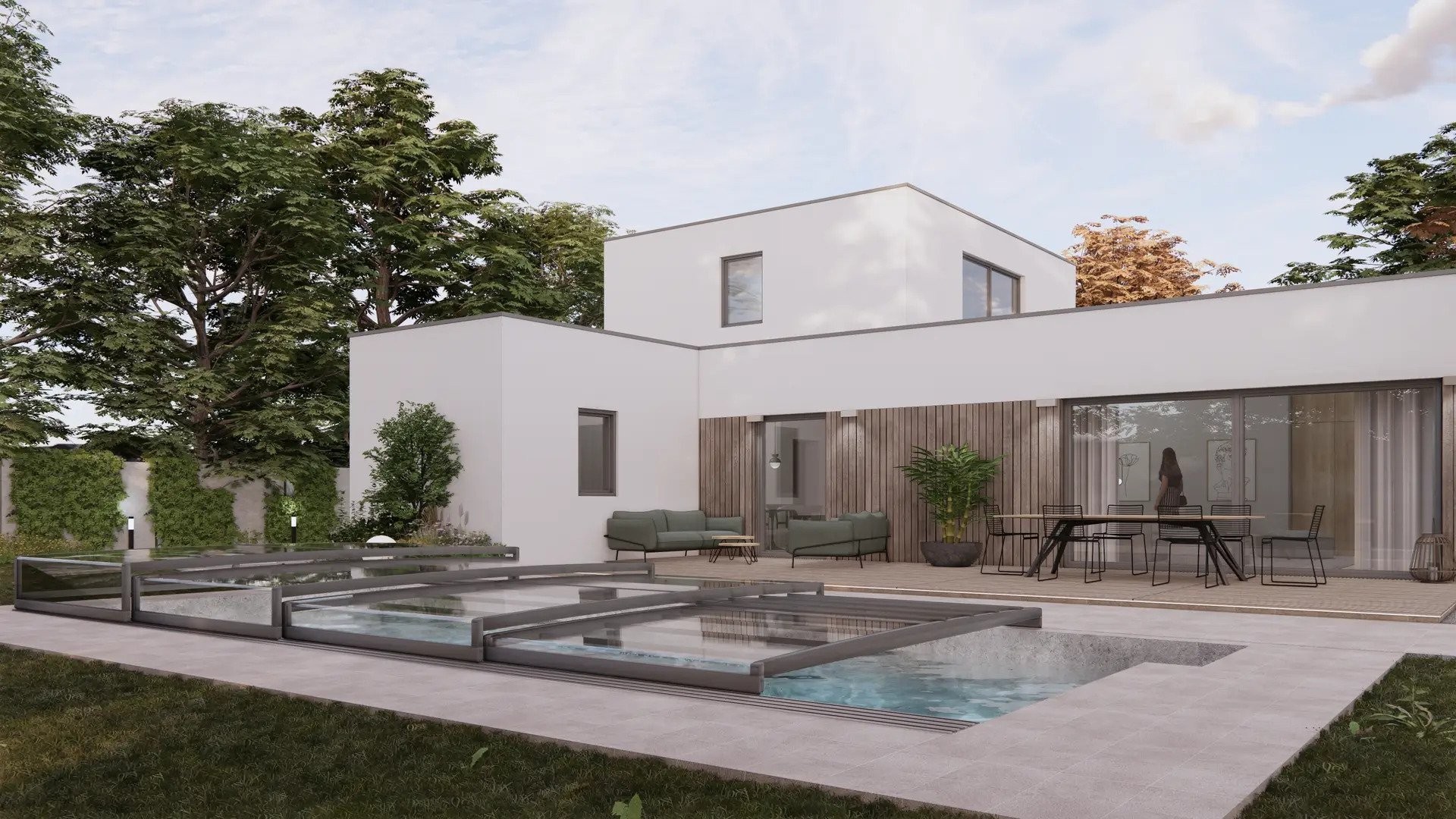
Low enclosures are a solution for those looking for functional protection without significant visual impact on the garden. The structure sits close above the hot tub, takes up a minimum of space and is more affordable. The disadvantage is that it is not intended for staying underneath – it is more of a cover that opens before entering the hot tub. Ideal choice for smaller gardens or for those who value discretion.
High Hot Tub Enclosure
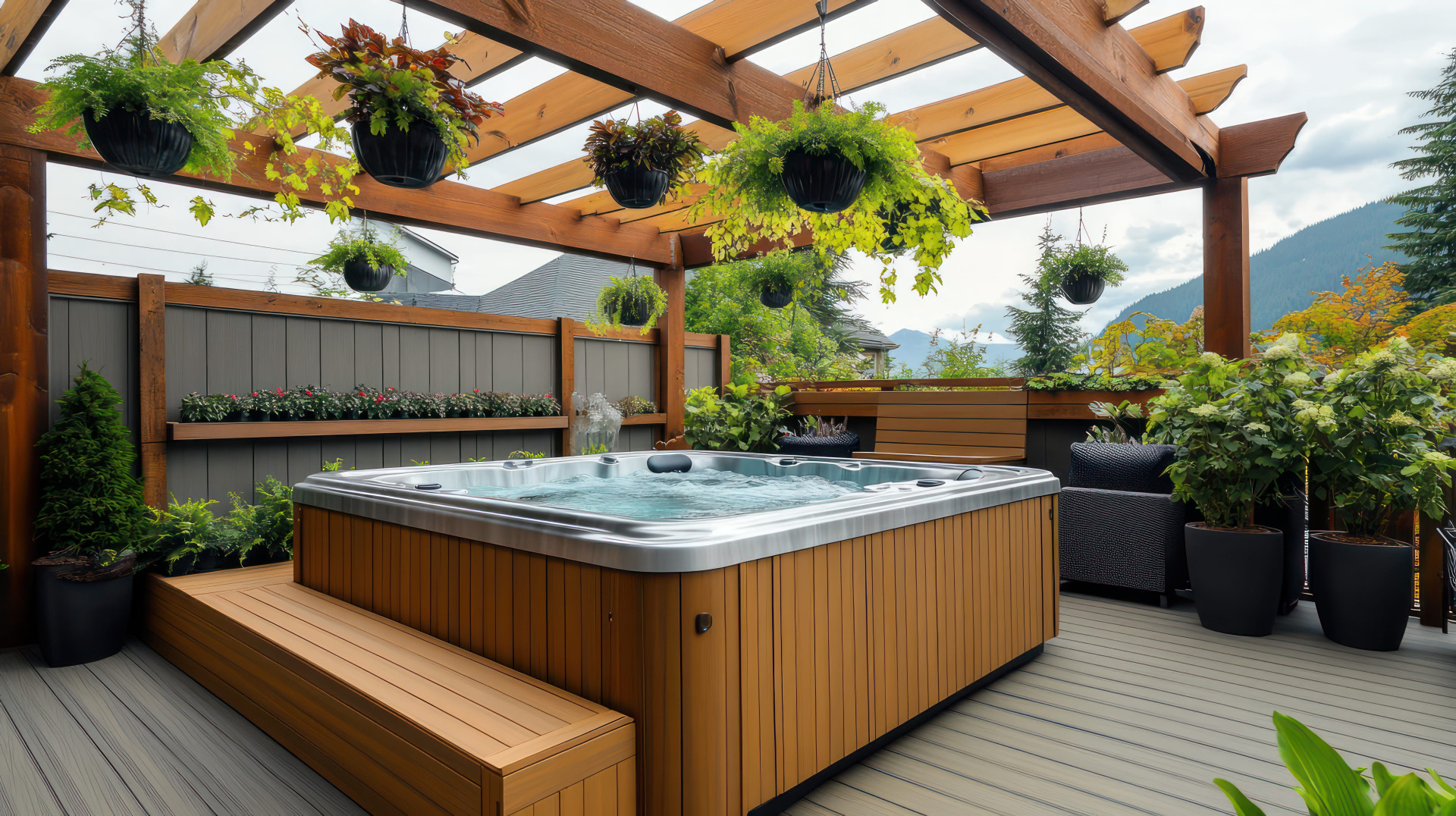
High enclosures allow movement and full residence under the structure – you enter the hot tub directly under the protection of the roof. This variant offers maximum comfort in all weather conditions, but requires more space and a higher investment. It is suitable for owners who plan to actively use the hot tub throughout the year.
Sliding Enclosure
Sliding (telescopic) enclosures combine the best of both worlds – you can easily extend or retract them according to current conditions. In the summer months you push it back and the hot tub is in the open air, in cooler weather you extend it and have full protection. This flexibility makes it one of the most popular choices.
Fixed Structures (Gazebo, Pergola)
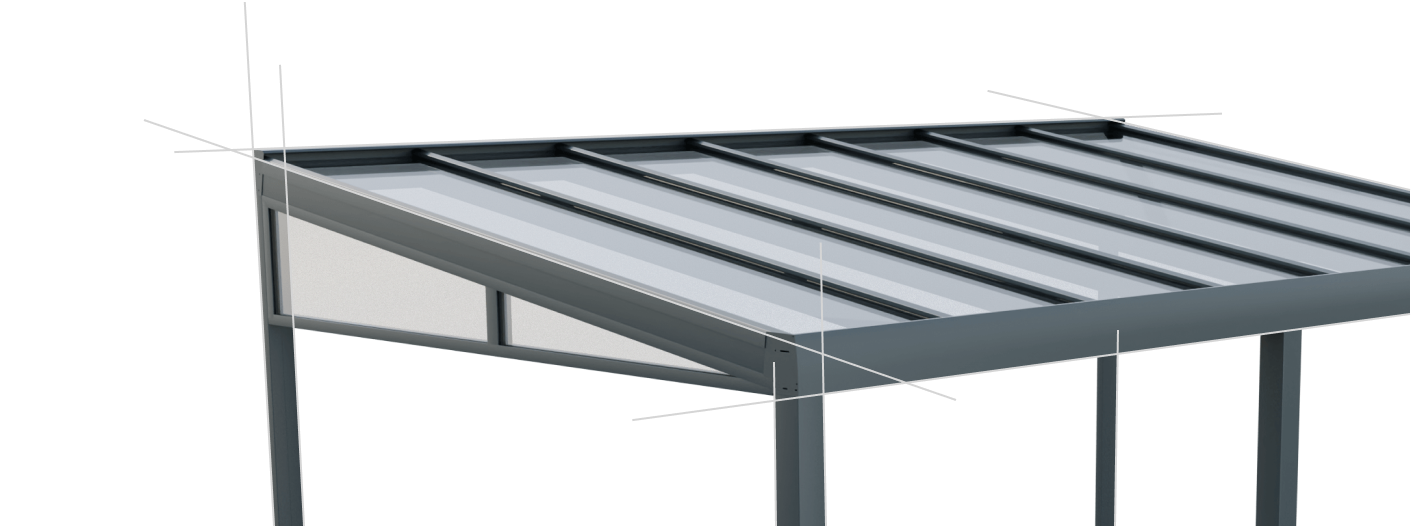
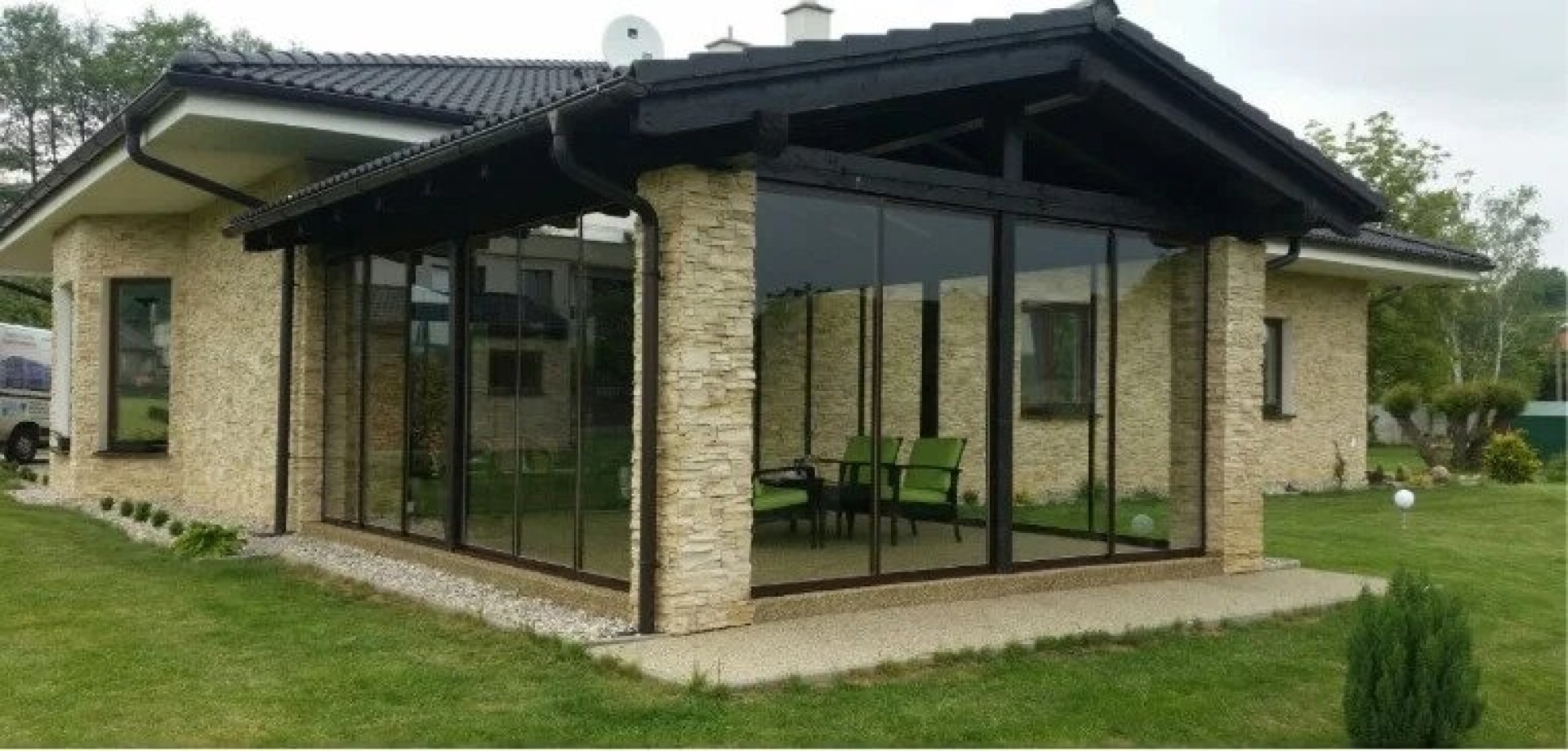
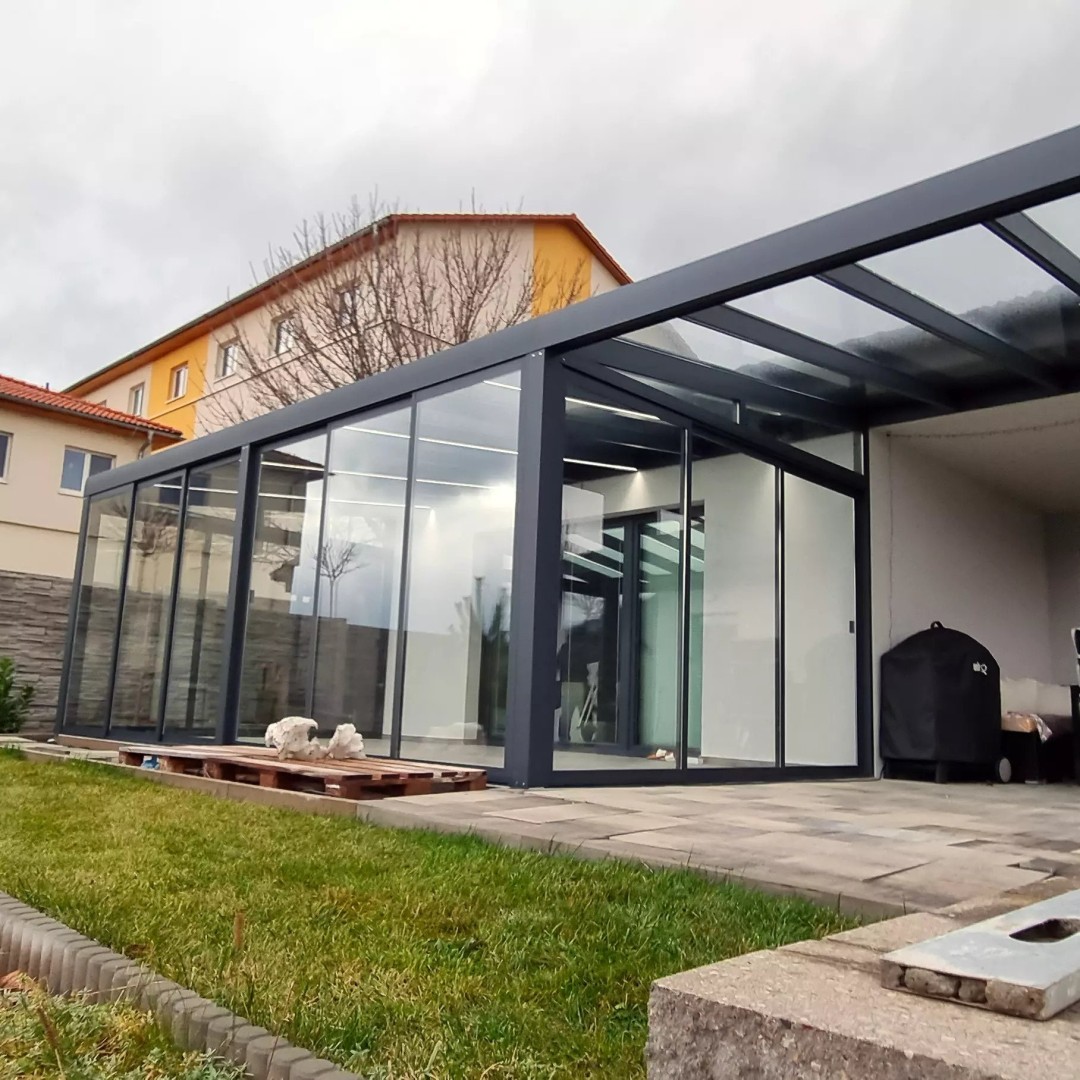
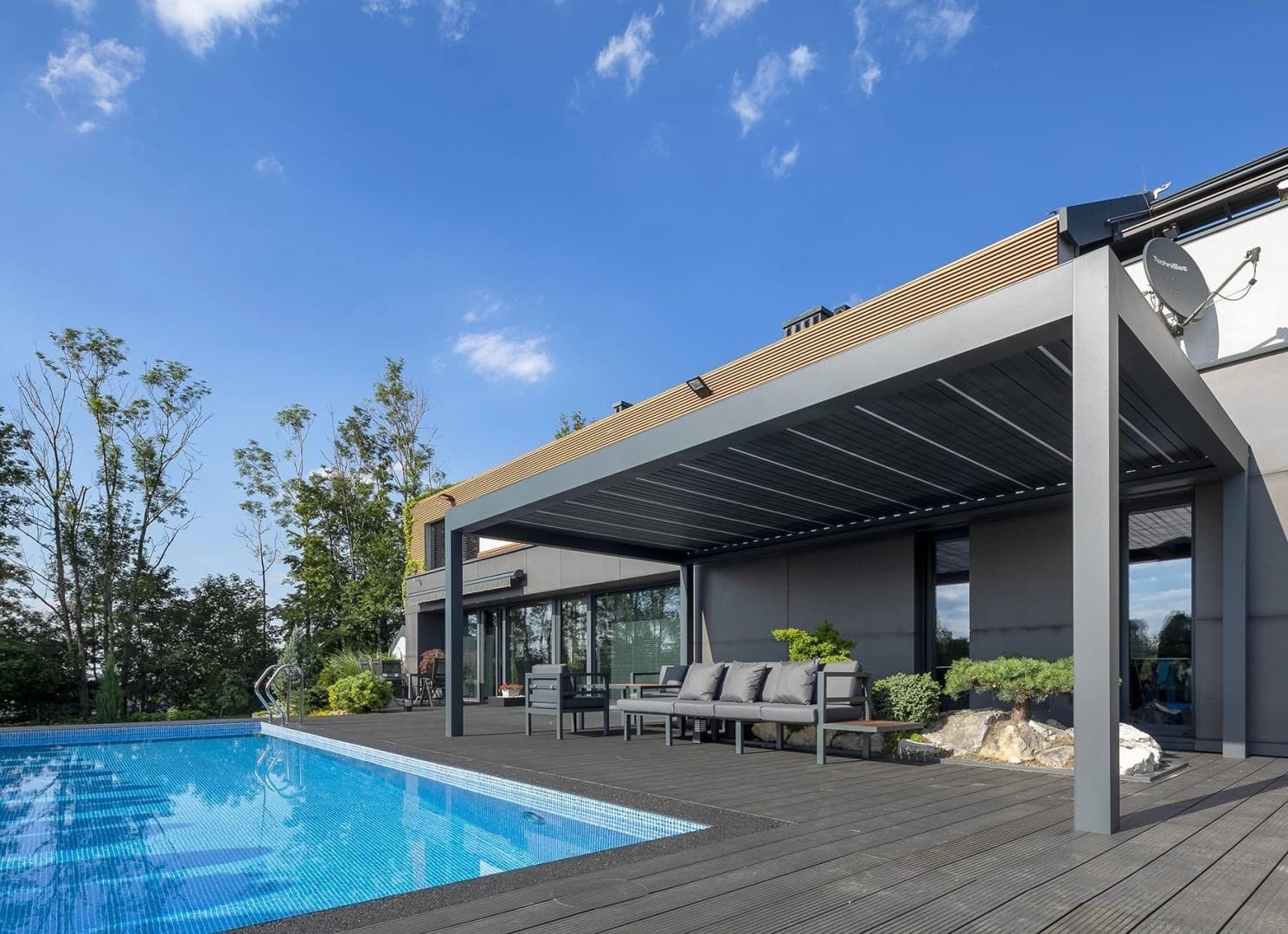
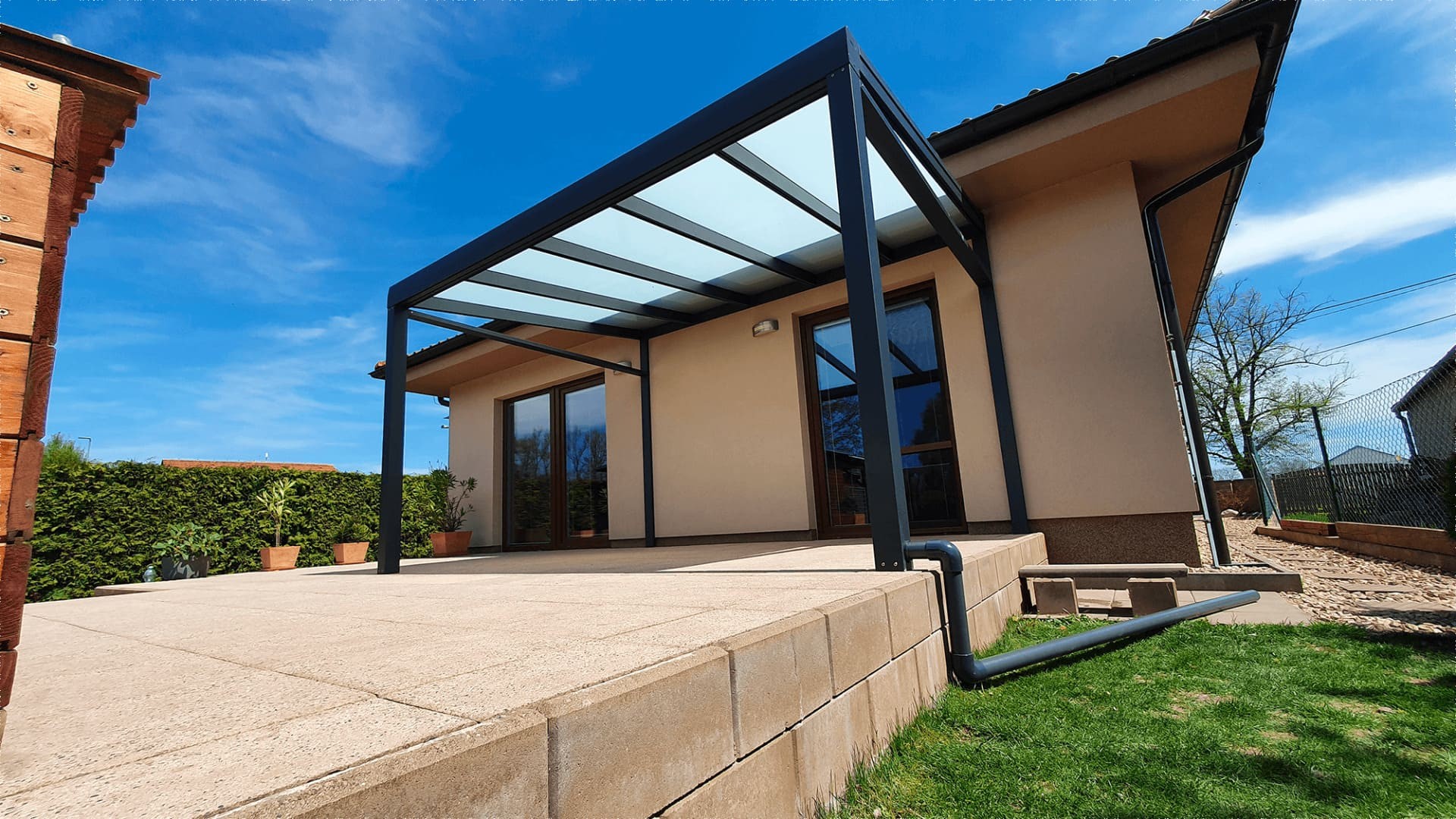
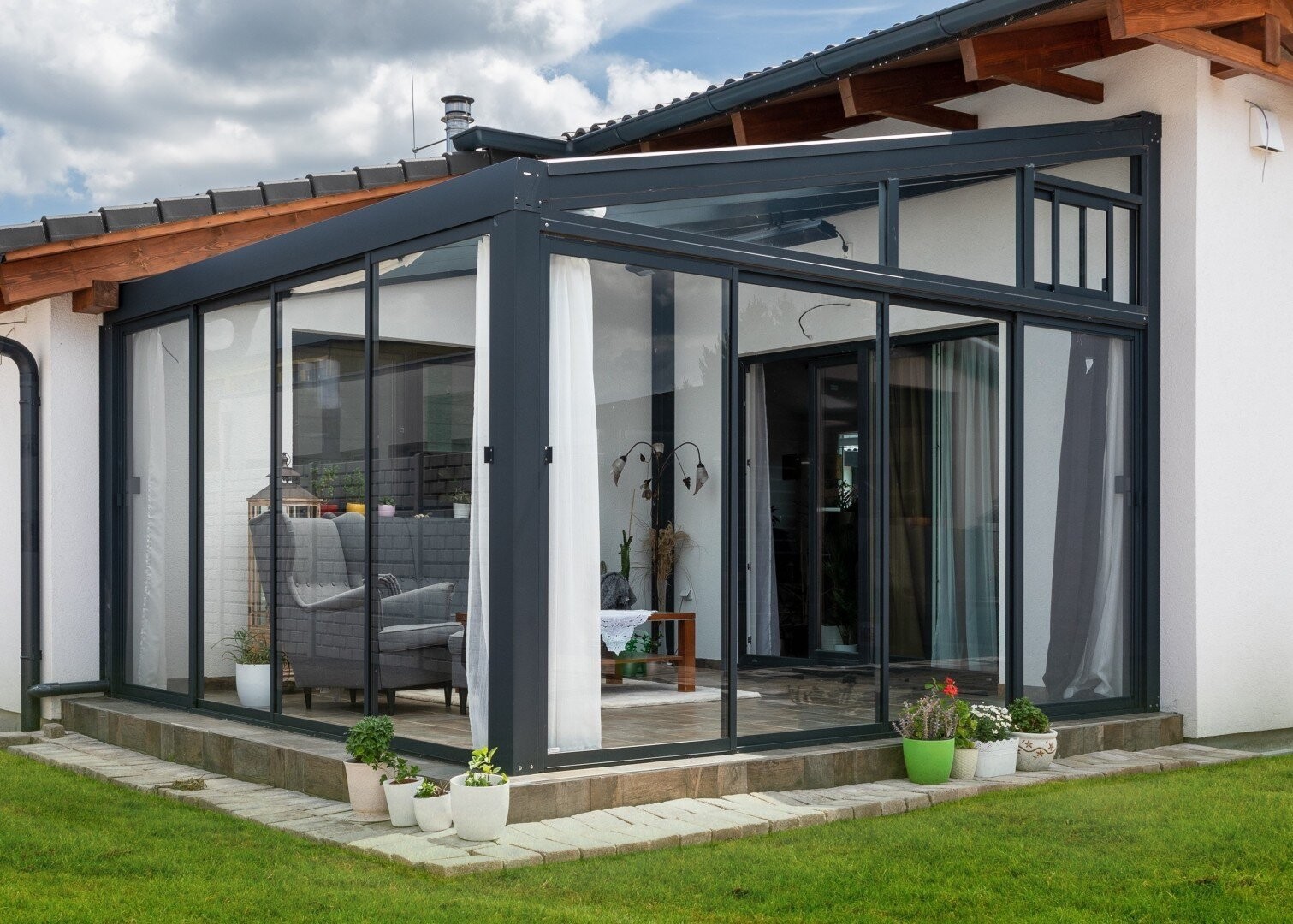
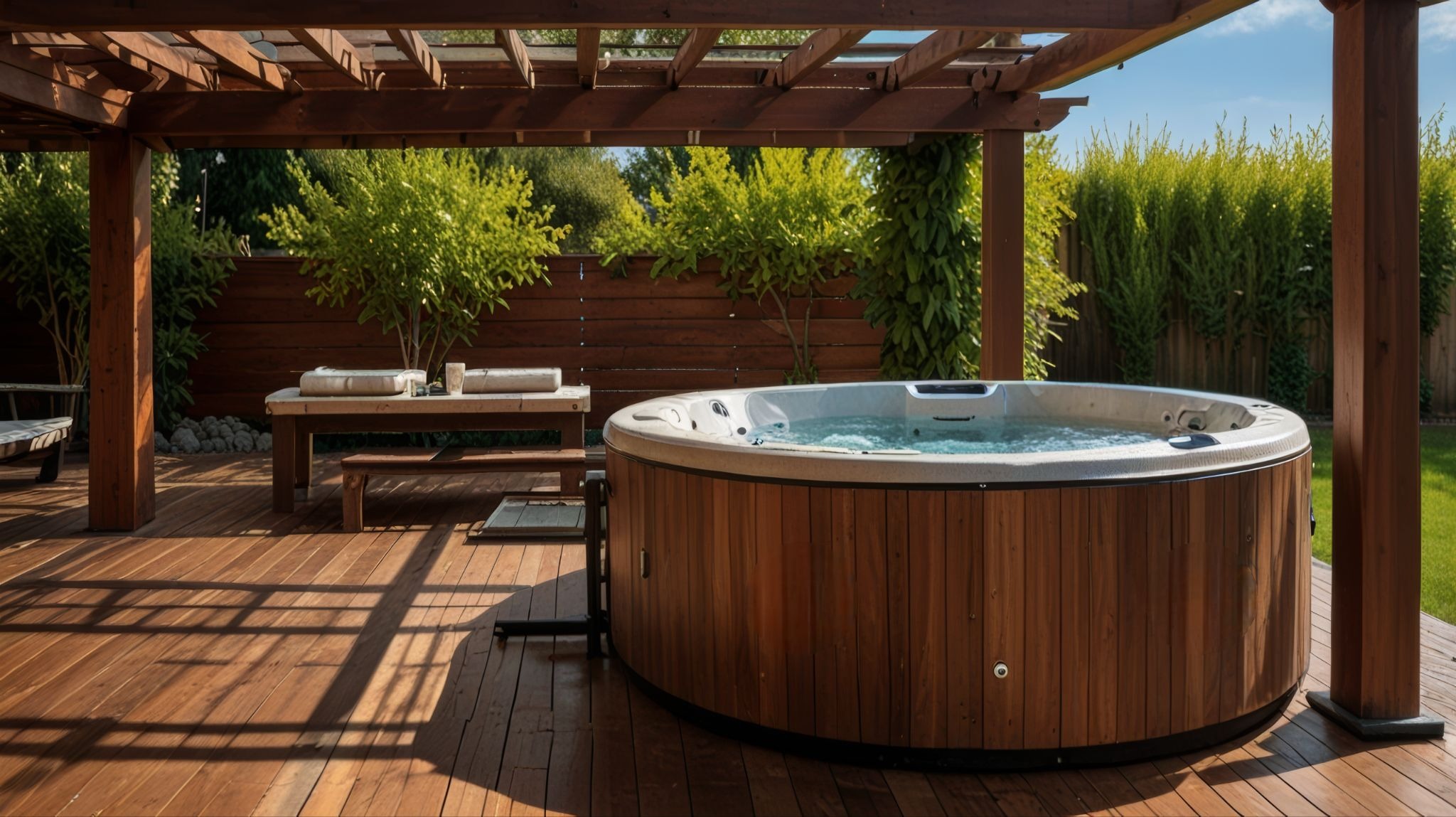
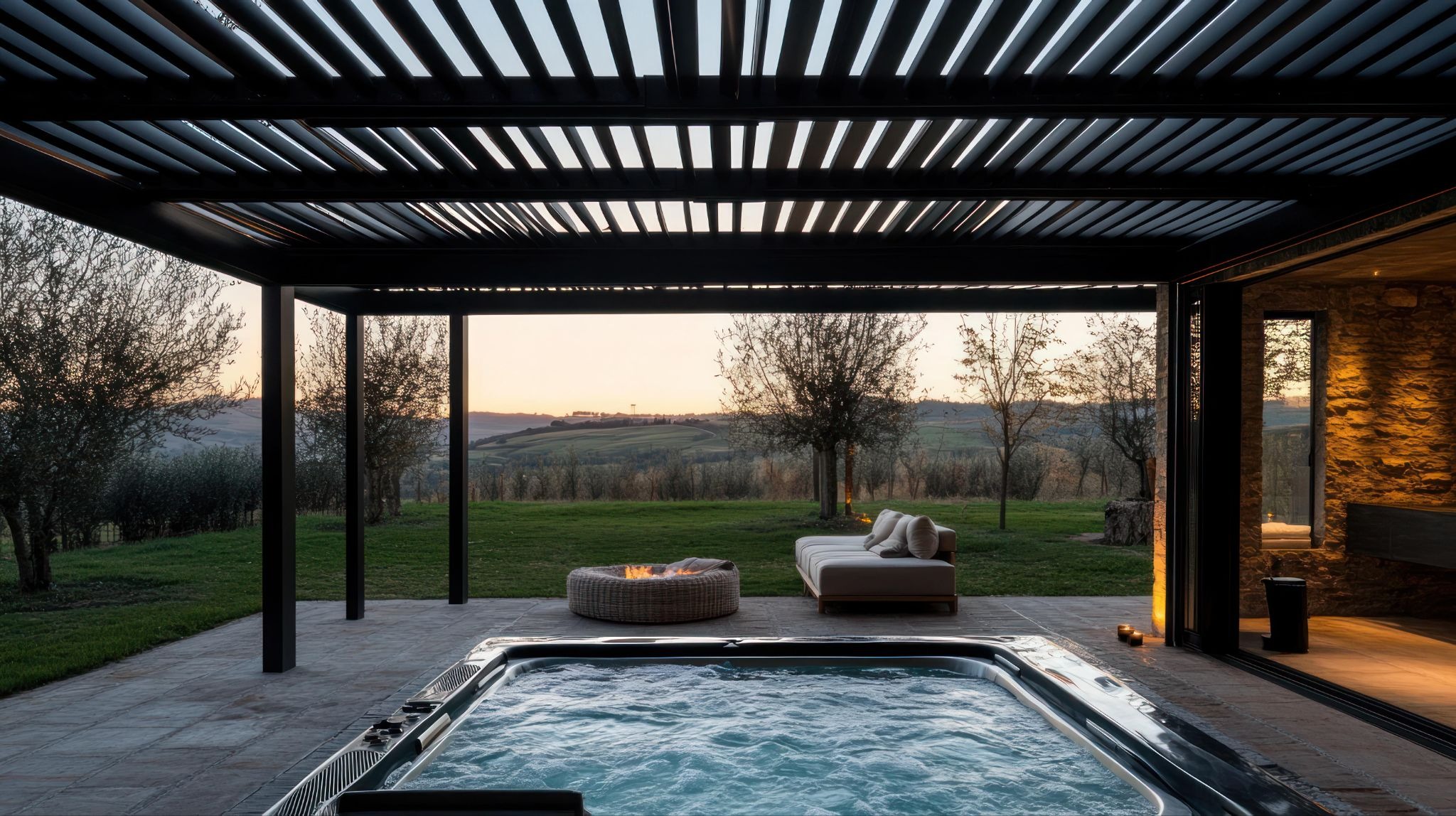
Fixed structures – a masonry gazebo or a wooden or aluminium pergola with roofing – represent a permanent architectural solution. This variant is the most expensive, but also offers the highest level of protection and the longest lifespan. Ideal for those who want the hot tub as a long-term part of the garden architecture.
What to Watch Out for When Choosing a Hot Tub Enclosure
Choosing an enclosure is not just about price or appearance. There are several technical and practical factors that determine whether your enclosure will be truly functional and reliable for many years.
Dimensions and Compatibility with the Hot Tub
Before any purchase, it is essential to precisely measure the dimensions of your hot tub – length, width and height of the edge. The enclosure must fit precisely, or have sufficient clearance for comfortable access. Always also account for clearance for moving parts, covers and accessories of the hot tub. We recommend a minimum of 10 cm clearance on each side.
Material Used (Polycarbonate vs. Glass)
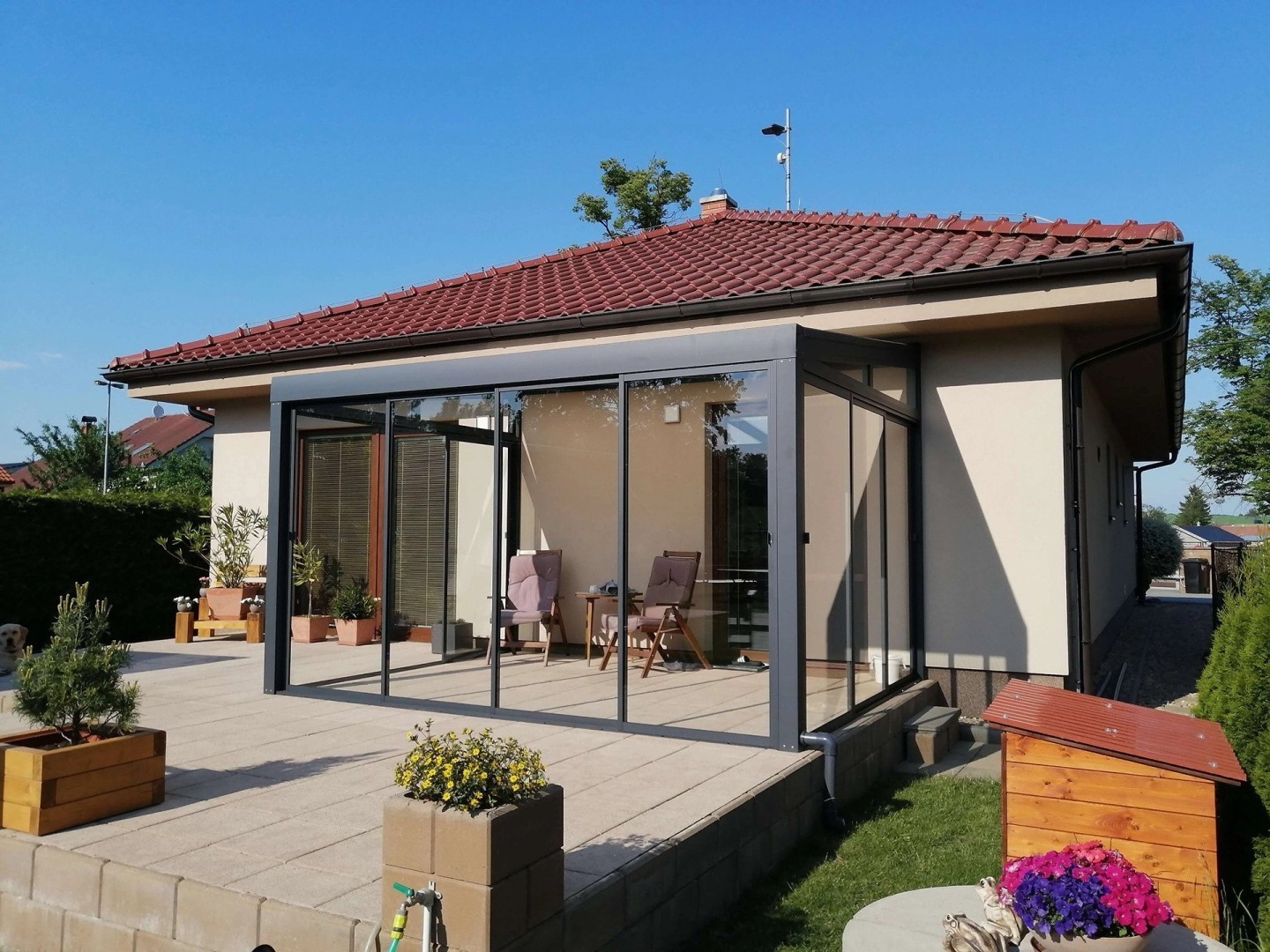
The most commonly used material is polycarbonate – lightweight, durable, affordable and transmitting light well. Compared to glass, it is several times more resistant to impact. Glass gives a more luxurious impression and is more scratch-resistant, but is heavier and more expensive. It is important to also monitor the UV stability of the material – low-quality polycarbonate without a UV protective layer yellows and becomes brittle.
Construction and Stability
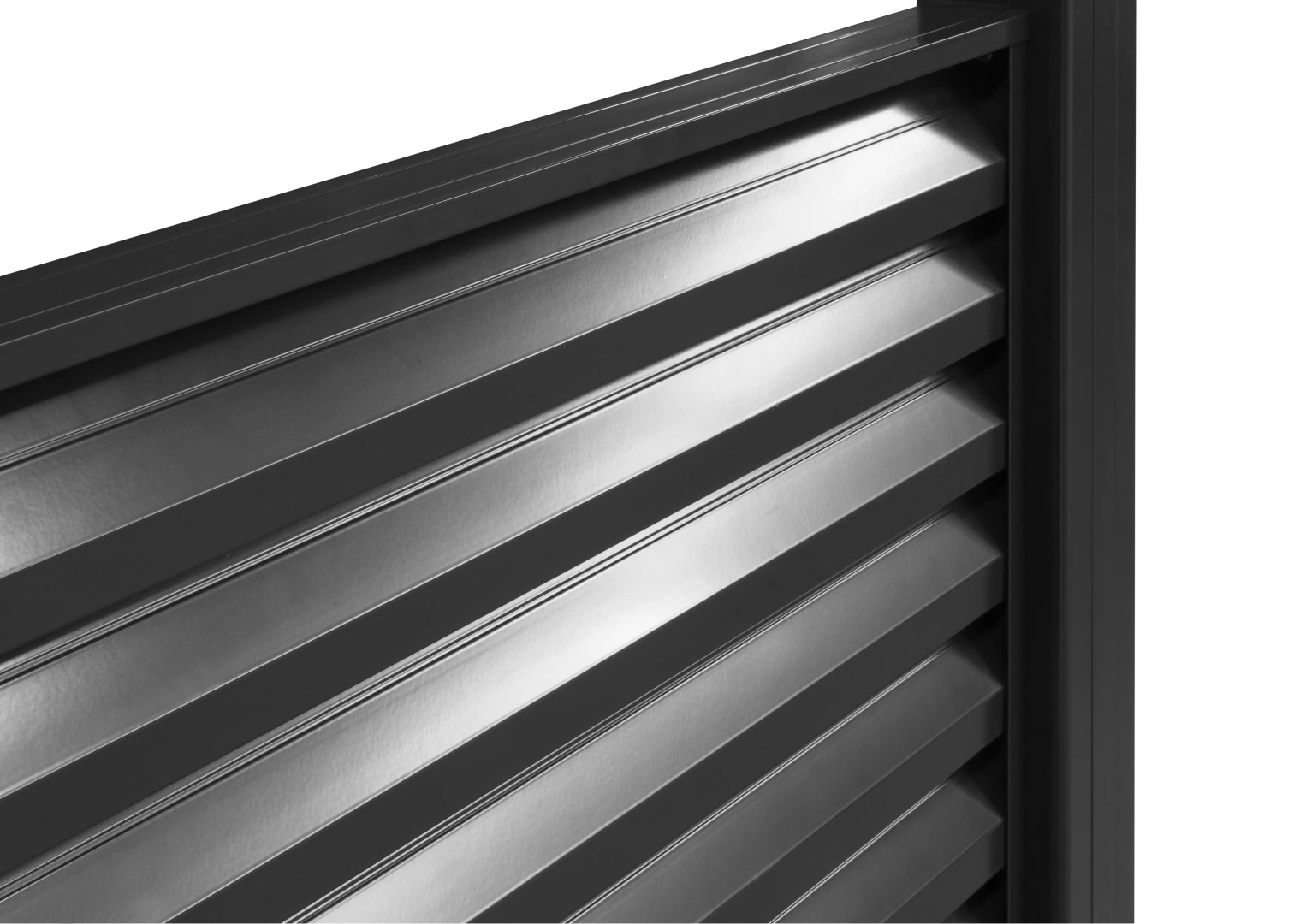
Aluminium profiles are the clear choice – lightweight, strong, resistant to corrosion and do not require regular surface treatment. Cheaper steel structures without quality surface coating corrode and lose their load-bearing capacity. When selecting, always monitor the thickness of the profiles and the method of anchoring – stable anchoring to the substrate guarantees safety.
Operation and Opening
An enclosure that makes every entry into the hot tub a struggle will eventually stop being used. Simple and smooth operation – easy sliding of panels, well-lubricated rails, ergonomic handles – is just as important as the strength of the structure. Before purchasing, verify whether one person can operate it.
Location (Garden vs. Terrace)
On a terrace, you need to account for the load-bearing capacity of the floor and anchoring to the building structure. In the garden, proper drainage of rainwater, stability of the substrate and orientation towards the prevailing wind direction are key. In exposed locations, choose a structure with higher wind resistance.
Safety Features
A hot tub enclosure should include a safety lock that prevents uncontrolled access – primarily for families with children. Locks on moving parts are also important. Quality enclosures meet European safety standards.
How Much Does a Hot Tub Enclosure Cost?
Prices of enclosures on the Slovak market vary in a fairly wide range. The determining factor is not only the type of construction, but also the material, size, manufacturer and availability of service.
Cheap Solutions (up to €500)
In this category you will find simple low enclosures made of thin polycarbonate panels and steel profiles. They are functional as basic protection against contaminants, but are not intended for year-round intensive use. Their weakness is lower wind resistance and shorter material lifespan. Suitable as a temporary or seasonal solution.
Mid-Range (€500 – €1,500)
This is the segment with the best price-to-performance ratio. Here you will find mid-height sliding enclosures made of quality polycarbonate and aluminium profiles, with sufficient stability and easy operation. For most Slovak households, this is the optimal choice.
Premium Enclosures (over €1,500)
The premium segment includes high enclosures with glass panels, automatic operation and custom dimensions. These structures are intended for demanding customers. With proper maintenance, the lifespan exceeds 20 years.
What Affects the Price?
Several factors influence the final price: the size of the structure, type of mechanism (fixed vs. sliding), material of the panels (polycarbonate vs. glass) and thickness of the load-bearing profiles. Do not neglect the costs of delivery and installation, which can represent 10 – 20% of the product price.
Most Common Mistakes When Choosing a Hot Tub Enclosure
Experience of sellers shows that the same mistakes are repeated when choosing an enclosure. Here are those with the greatest consequences:
-
Underestimating dimensions. Customers forget to allow for clearance for rails, accessories and comfortable entry. Always calculate at least 10 cm extra on each side.
-
Choosing only by price. Compare total costs – including lifespan and maintenance – not just the purchase price.
-
Ignoring wind and weather. In exposed locations, an inadequately dimensioned structure can actually blow away in a storm.
-
Difficult operation. An enclosure that one person cannot operate will simply stop being used over time.
-
Missing service and warranty. Always verify the availability of warranty and post-warranty service and spare parts.
How to Choose the Right Hot Tub Enclosure
Before making the final purchase decision, go through these 6 steps:
-
Measure the exact dimensions of the hot tub (length × width × height of edge) and add at least 10 cm clearance on each side.
-
Consider the frequency of use – if you plan to use the hot tub year-round, invest in a higher and better-sealing enclosure.
-
Choose the appropriate type of enclosure according to available space, height and personal preferences.
-
Check the material and construction – prefer aluminium profiles and polycarbonate with UV protection or safety glass.
-
Think about future maintenance – rails, seals and moving parts require regular care.
-
Verify the availability of service and spare parts from the manufacturer or authorized dealer.
Hot Tub Enclosure vs. Pool Enclosure – What Is the Difference?
Many customers ask whether it is possible to use the same enclosure for a hot tub and a pool. The answer is clear: no. These are two different categories of products with different requirements.
Hot tubs are compact, usually have a square or round shape and the enclosure adapts to their relatively small dimensions. Pools are significantly larger, usually have a rectangular shape and enclosures for them must cover areas many times larger. Structurally they are dimensioned for much higher loads and they address rainwater drainage differently.
Hot tub enclosures are more compact, lighter and more affordable. On montalu.sk you will find a range of enclosures specially designed for both types of water installations.
Is It Worth Investing in a Hot Tub Enclosure?
The short answer: yes, almost always. An enclosure is not a luxury, but a practical solution that will economically 'pay for itself' over several years of operation through energy savings, chemical savings and an extended lifespan of the hot tub.
The key is to make an informed decision. Not to invest blindly in the cheapest or most expensive solution, but to choose an enclosure that matches your real needs and spatial possibilities.
FAQ – Frequently Asked Questions
Is a Hot Tub Enclosure Necessary?
An enclosure is not mandatory, but is strongly recommended. A hot tub without an enclosure requires significantly more maintenance, consumes more energy for heating and wears out faster. An enclosure also significantly increases comfort and extends the season.
What Material Is Best?
For most standard installations, the optimal choice is polycarbonate with a UV protective layer in combination with aluminium beams. With proper maintenance it will last 10 or more years. Glass is suitable for premium installations where aesthetics are the top priority.
Can an Enclosure Be Installed Afterwards?
Yes, most enclosures can be installed with an existing hot tub. It is important to ensure a suitable and level substrate and verify dimensional compatibility. When installing on terraces or balconies, we recommend consulting the load-bearing capacity of the substrate with an expert.
How Demanding Is the Maintenance?
The basics consist of regular cleaning of the panels (2 – 4 times per year), lubrication of rails and moving mechanisms, and inspection of seals. Aluminium structures do not require anti-corrosion treatment, but it is advisable to regularly check joints after heavy storms.
What Is the Lifespan of an Enclosure?
With proper maintenance, the realistic lifespan is 10 – 15 years for standard polycarbonate models and 20 or more years for premium glass structures. Regular maintenance and quality of installation play a key role.