
Terrace Awnings Today: Why Shading Is a Key Investment in Home Comfort
An awning is not just a piece of fabric above your terrace. It is an active tool for regulating temperature, protecting your interior and extending the outdoor living season. The right shading reduces the heat load on your home, protects floors and furniture from UV radiation, and makes the terrace liveable even on the hottest summer days.
Terrace Shading as a Way to Reduce Overheating
A shaded terrace can lower the temperature in the adjacent room by 4 to 8 °C. This directly reduces the need for air conditioning and electricity consumption. According to expert measurements, external shading can reduce solar heat gain through windows by up to 70 to 80%, which is significantly more effective than interior blinds or roller shutters.
For families who spend summer at home, this is an investment that pays off not only in comfort but also in lower energy bills. A good terrace awning pays for itself in cooling savings over 3 to 5 years.
Awning vs Pergola vs Fixed Roof
When choosing shading for a terrace, there are three common approaches:
-
A terrace awning is the most flexible solution. You extend it as needed, roll it up in winter and protect it from damage. Entry costs are low to moderate.
-
A terrace pergola offers a solid structure with the option of glazing, side shading or intelligent roof louvres. It is a permanent extension of the living space, but requires a higher budget.
-
A fixed roof (canopy or cover) is permanent and the most structurally demanding option.
Types of Terrace Awnings: Cassette, Retractable and Electric
Retractable Awning – Cost-Effective Solution for Standard Terraces
The retractable awning is the most widespread and accessible type of terrace shading. The fabric is wound onto a roller that is directly exposed to the outside environment. Extension is carried out using a hand crank or optionally a motor.
Main advantages of a retractable awning:
-
Low entry price compared to cassette solutions
-
Easy installation on most types of facades
-
Wide range of fabric colours and frame options
Limitations of retractable awnings:
-
Both fabric and mechanism are exposed to direct sun, rain and dust when the awning is rolled up
-
Shorter lifespan compared to cassette variants (typically 5 to 8 years with standard care)
-
Greater susceptibility to damage in strong winds without safety locking
Cassette Awning – Maximum Protection and Long Service Life
The cassette awning has one key difference from the retractable type: the entire mechanism and rolled fabric are enclosed in an aluminium cassette. When the awning is rolled up, the fabric is completely protected from sun, rain, dust and UV radiation.
-
Fabric does not age from sunlight when rolled up, significantly extending its lifespan
-
Mechanism is protected against corrosion and deposits
-
Less maintenance required over the years
-
Higher aesthetic appeal thanks to the clean cassette line when rolled up
Electric Awning – Operational Comfort and Smart Solution
An electric awning is essentially a cassette or retractable awning equipped with an electric motor, remote control and optionally weather sensors.
-
Remote control without the need for physical contact
-
Wind sensor automatically rolls up the awning during strong gusts, preventing damage
-
Sun sensor automatically shades the terrace when the set radiation intensity is reached
-
Integration with smart home systems (Apple HomeKit, Google Home, KNX and others)
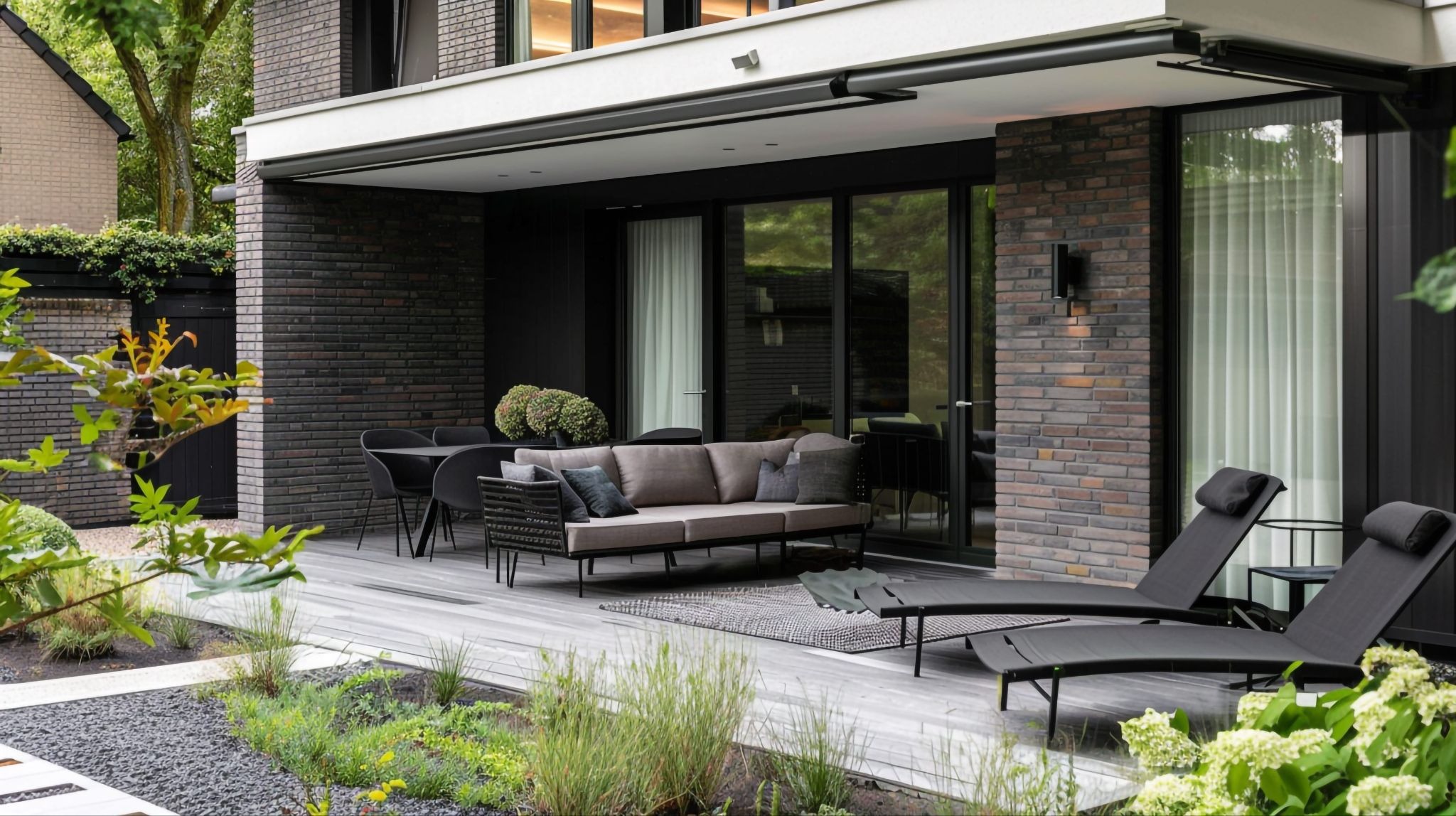
Cassette vs Retractable vs Electric Awning – Real Differences That Matter
|
Feature |
Retractable |
Cassette |
Electric |
|
Price |
from ~€300 |
from ~€600 |
from ~€800 |
|
Lifespan |
5–8 years |
10–15 years |
8–12 years |
|
Fabric protection |
Low |
High (cassette) |
Medium–high |
|
Wind resistance |
Low–medium |
Medium–high |
Medium–high |
|
Ease of use |
Crank / manual |
Crank / motor |
Remote / sensors |
|
Smart home |
No |
Optional |
Yes |
|
Maintenance |
Higher |
Low |
Low |
|
Installation |
Simple |
Moderate |
Moderate |
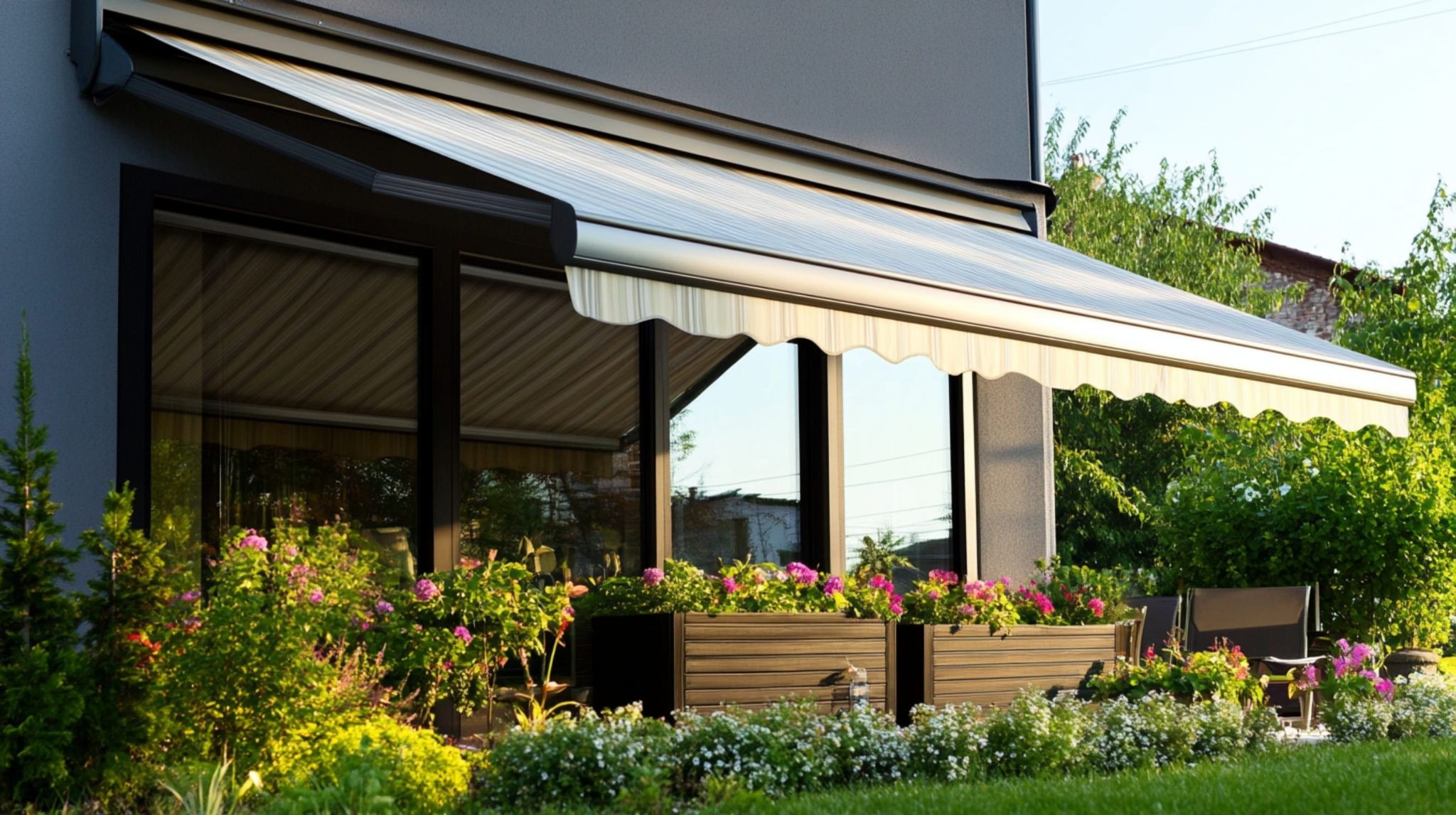
How Much Does a Terrace Awning Cost in 2026?
|
Awning Type |
Estimated Price |
Price with Motor |
|
Retractable awning |
€300 – €700 |
€600 – €1,000 |
|
Cassette awning |
€600 – €1,500 |
€900 – €2,000 |
|
Electric awning |
€800 – €2,500 |
Included in price |
How to Choose the Right Terrace Awning for Your Situation
Terrace Orientation and Sun Exposure
A south- or west-facing terrace receives full sun for most of the day. Here, shading is critical and it is worth investing in a cassette or electric awning with good UV resistance.
Windy Location and Mounting Type
If strong winds blow regularly in your area, a retractable awning without a sensor puts you at risk of damage with every storm. We recommend a cassette awning with a motor and wind sensor.
How Often Will You Use the Awning
If you only use the terrace occasionally, a manual retractable awning may be sufficient. If you are on the terrace daily, an electric awning will change the way you use it.
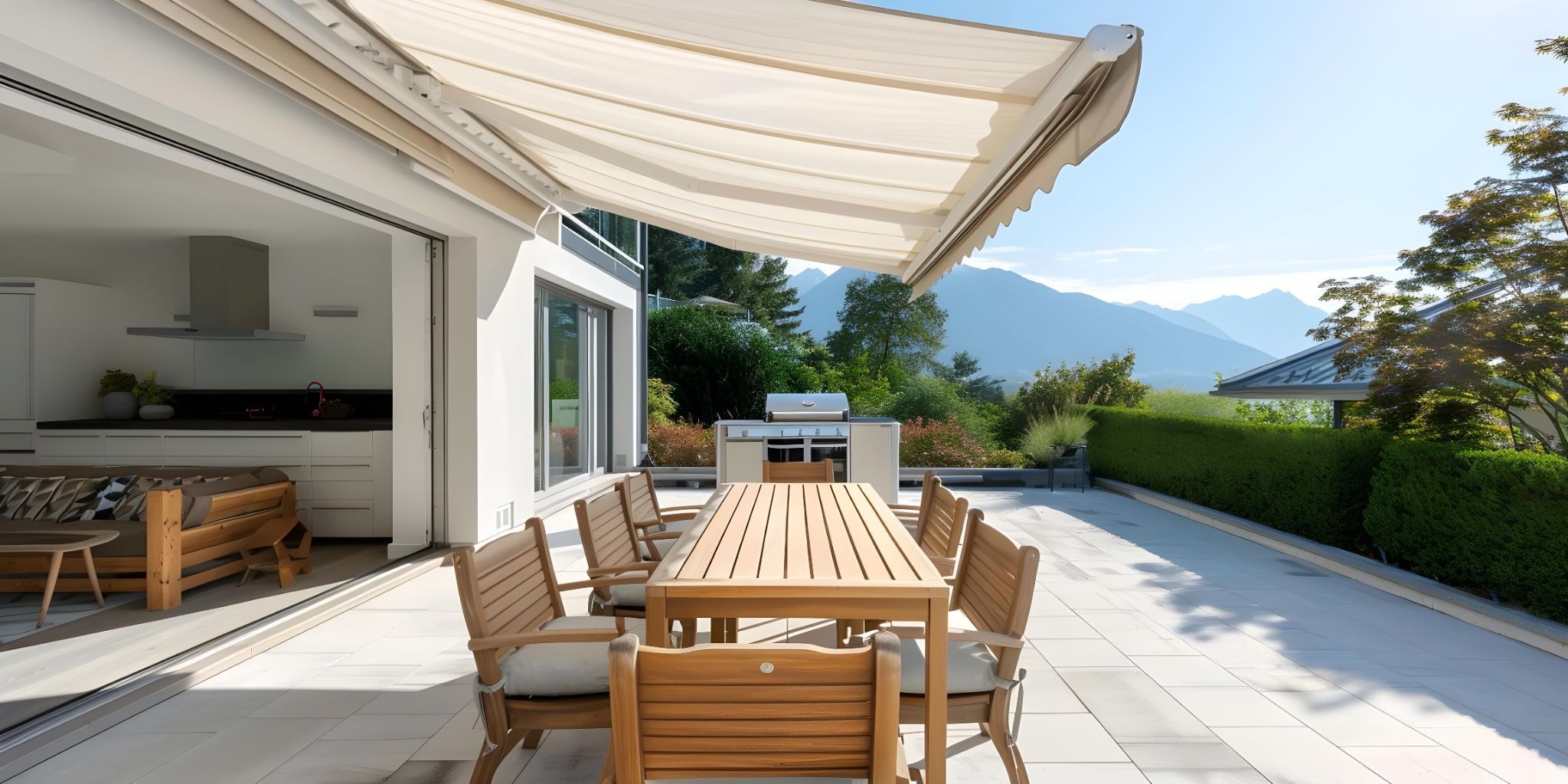
Most Common Mistakes When Choosing a Terrace Awning
Choosing Based on Price Alone
The cheapest awning in an online shop with no stated manufacturer, no warranty and no installation support is not a bargain. It is a problem deferred by a year or two.
Underestimating Wind and Weather
Customers who leave their awning extended during a storm damage both the structure and the fabric. Always roll up the awning when wind exceeds 40 km/h. The electric version with a wind sensor does this for you automatically.
Incorrect Dimensions and Wrong Angle
Insufficient awning dimensions mean insufficient shading. The awning slope should be at least 10 to 15 degrees to drain rainwater properly.
Is It Worth Investing in an Electric Awning?
An electric awning costs 30 to 50% more than an equivalent manual version. It makes the most sense for large terraces, windy locations, elderly residents, smart home integration or daily intensive use.
How to Maximise the Lifespan of Your Terrace Awning
-
Roll up the awning when wind exceeds 40 km/h and always before leaving home for an extended period
-
Never store a wet awning permanently – leave it unrolled to dry first
-
Clean the fabric 1 to 2 times a year with a soft brush and lukewarm water
-
Check the mechanism in winter and lubricate moving parts with silicone spray
-
Check the facade fixings once a year, especially after the windy season
Frequently Asked Questions
How Much Does a Terrace Awning Cost in 2026? Awning Type Estimated Price Price with Motor Retractable awning €300 – €700 €600 – €1,000 Cassette awning €600 – €1,500 €900 – €2,000 Electric awning €800 – €2,500 Included in price How to Choose the Right Terrace Awning for Your Situation Terrace Orientation and Sun Exposure
A south- or west-facing terrace receives full sun for most of the day. Here, shading is critical and it is worth investing in a cassette or electric awning with good UV resistance.
Is It Worth Investing in an Electric Awning?
An electric awning costs 30 to 50% more than an equivalent manual version. It makes the most sense for large terraces, windy locations, elderly residents, smart home integration or daily intensive use.


