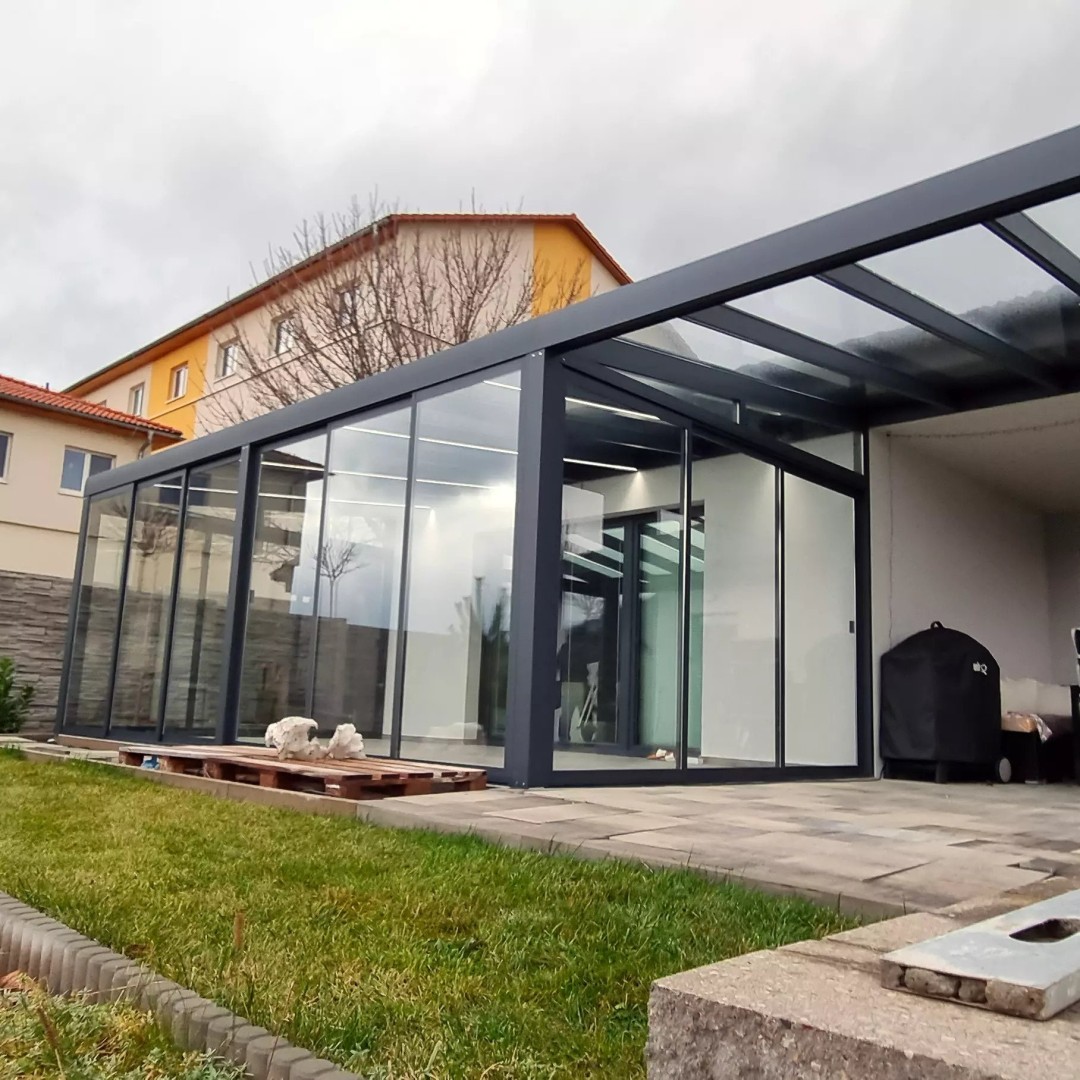
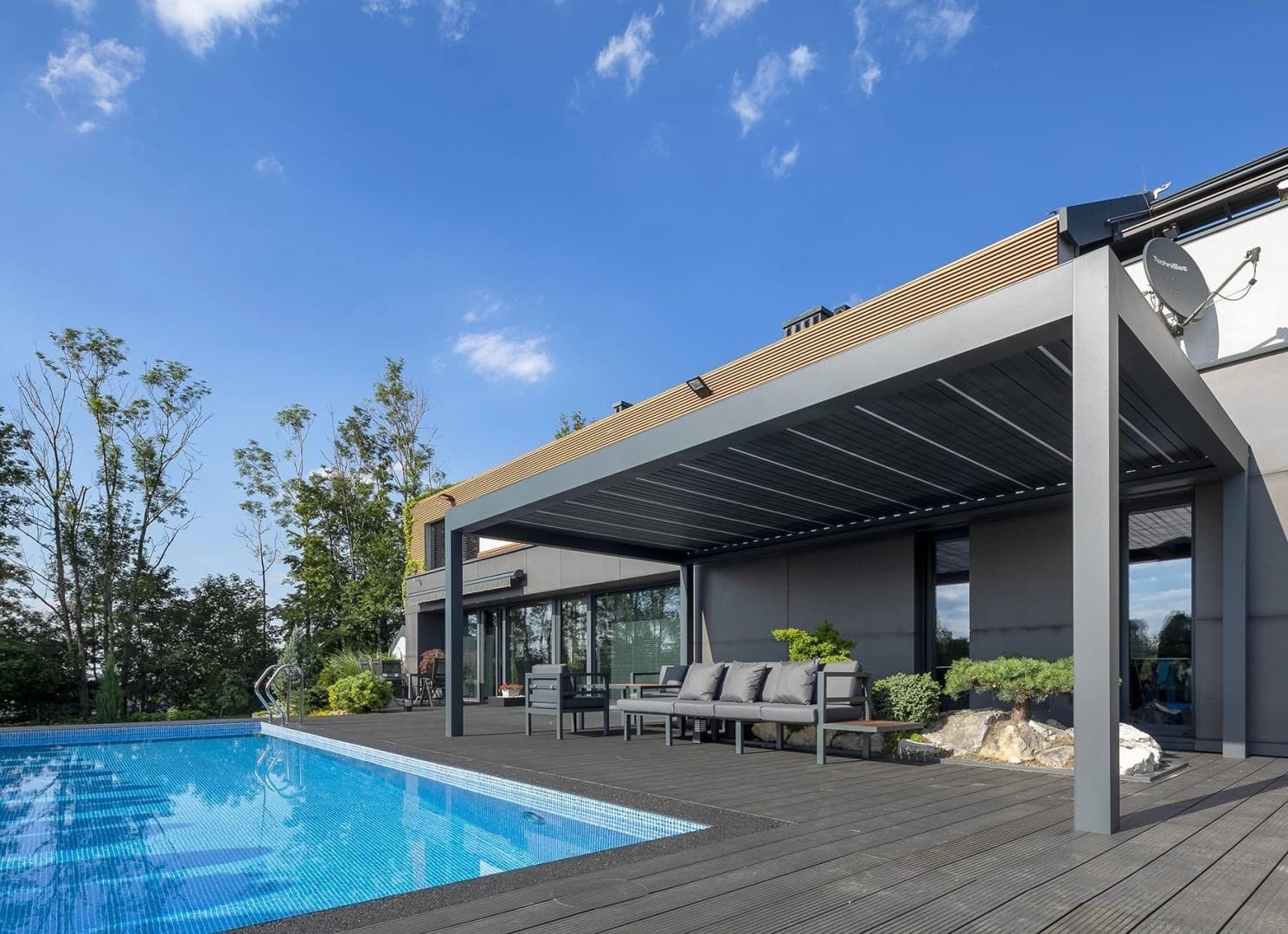
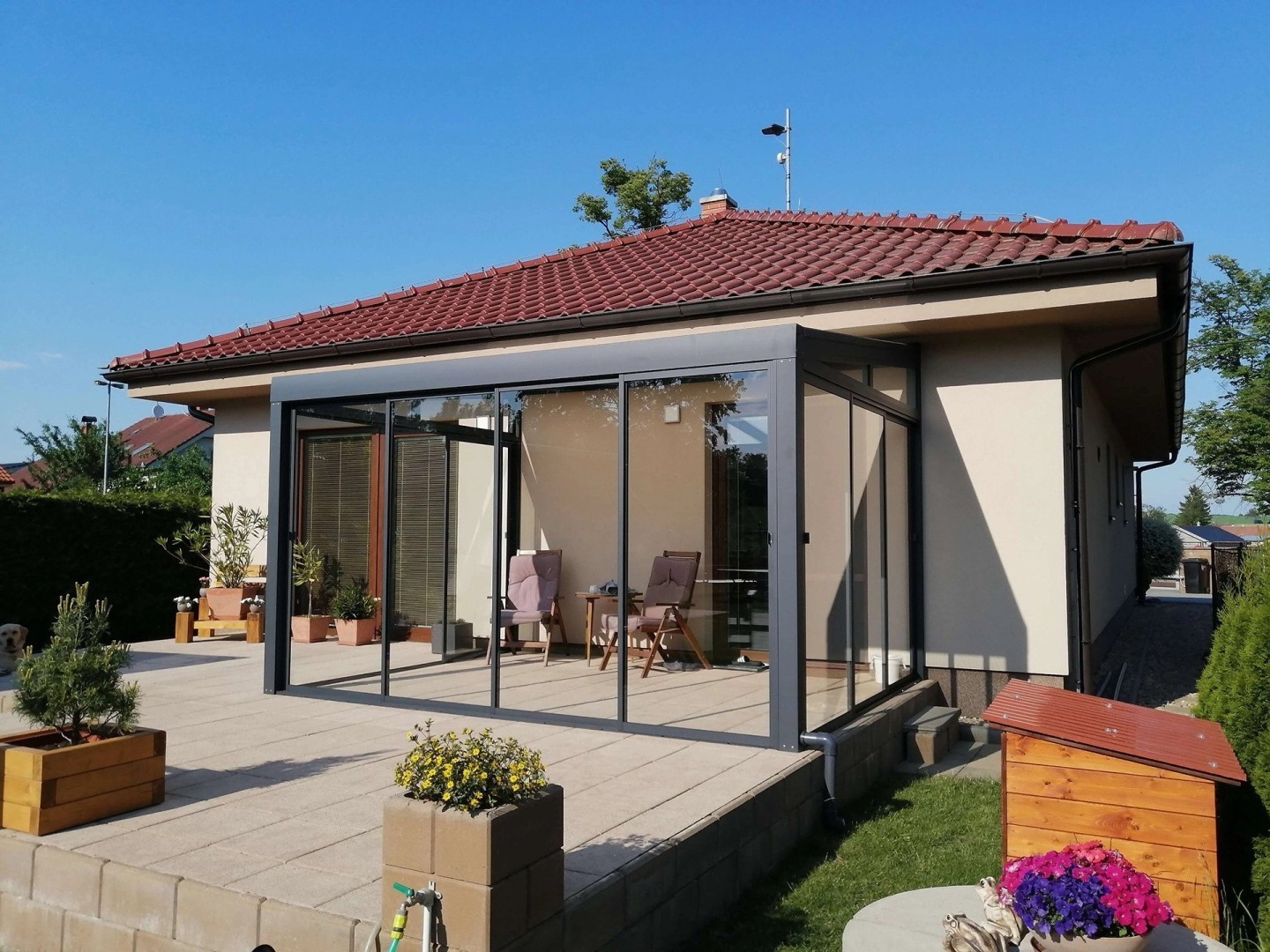
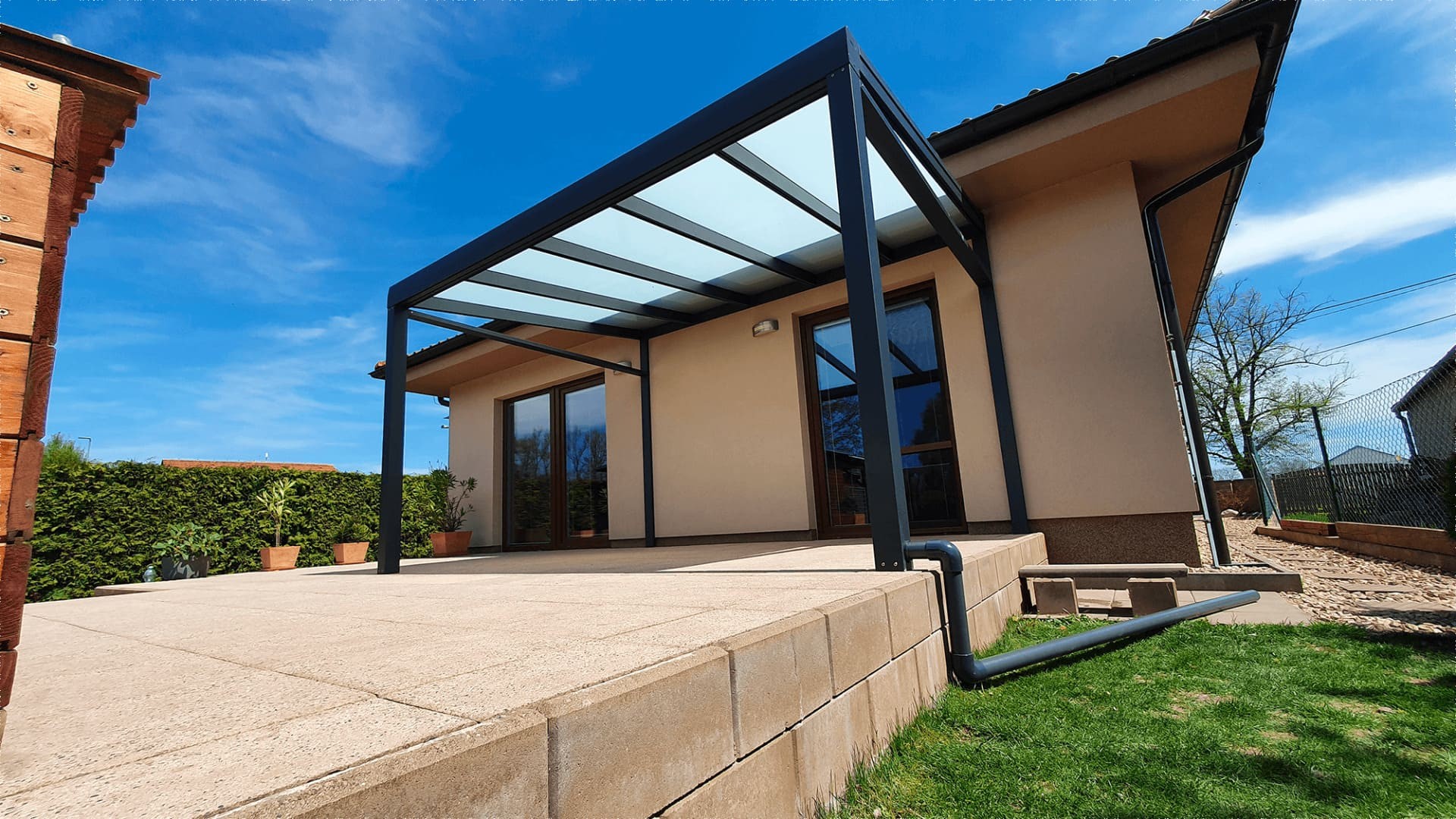
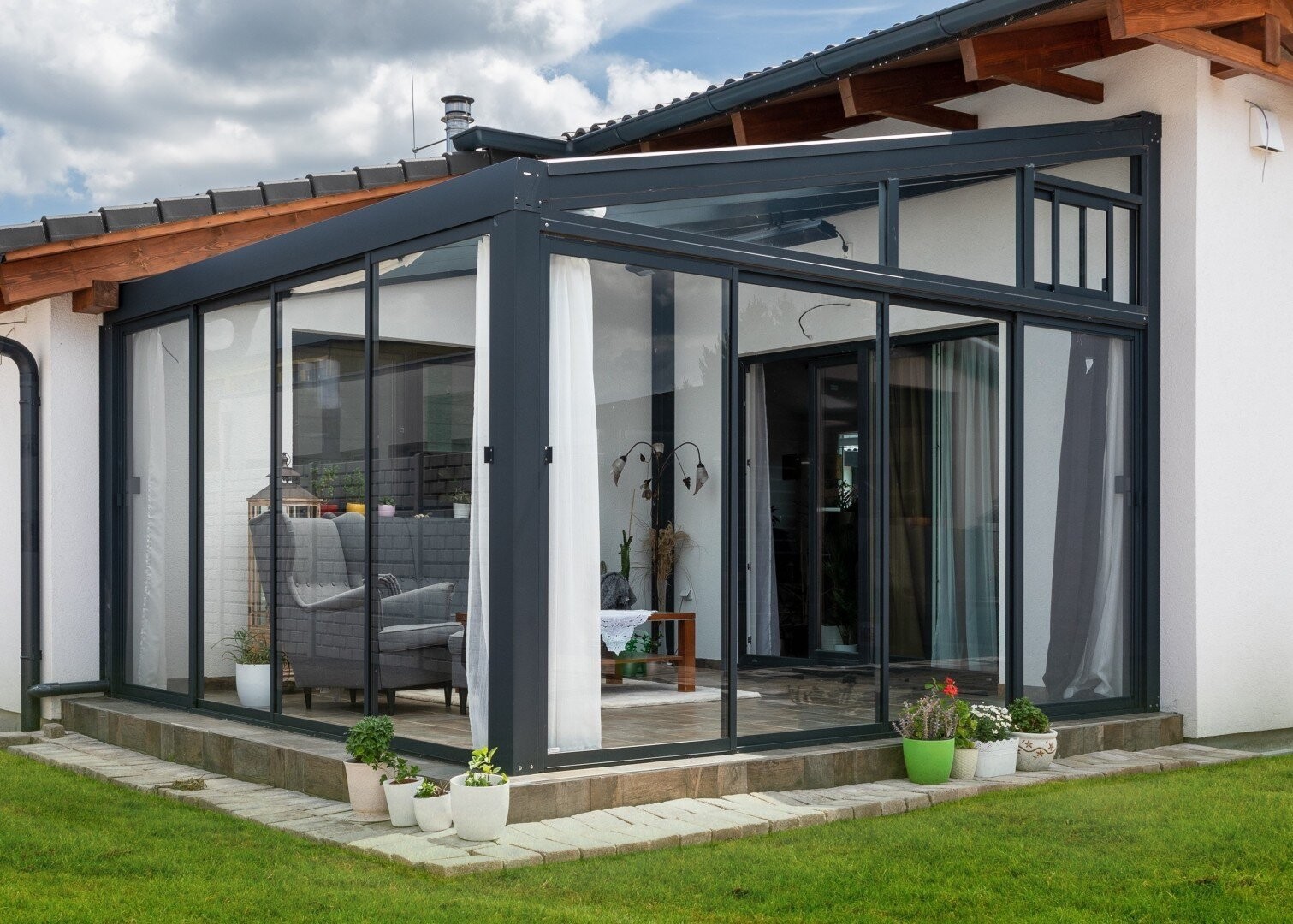
A winter garden that you can use all year round is a bridge between your home and nature. It is a place where mornings start more slowly and evenings are longer, regardless of the season. In addition to its practical value, it also increases the value of your property and allows you to grow plants that would otherwise not survive the winter. If you design and furnish it correctly, it will become your favorite retreat, a space for relaxation, work, growing plants, or family moments.
The quality of the winter garden is essential
Solid construction of the winter garden
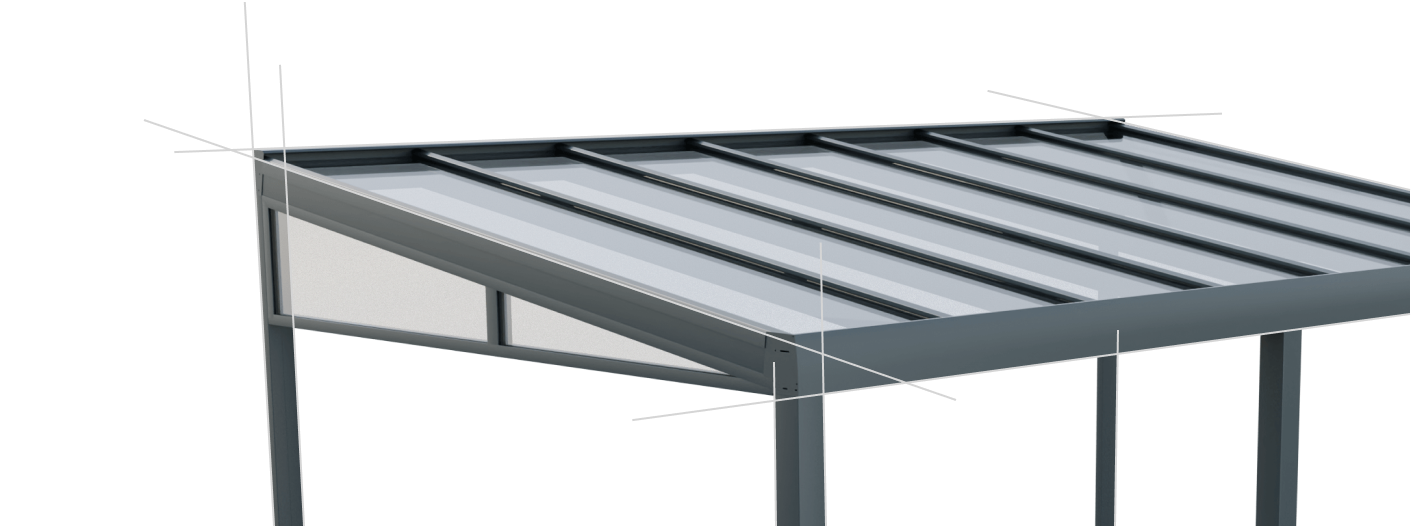
The basis of a high-quality winter garden is a high-quality structure. We recommend aluminum profiles, which offer excellent strength, stability, and thermal insulation. An alternative is wooden or combined structures, which look more natural but require thorough protection against moisture and a thorough solution for heat transfer. When designing the structure, it is essential to respect the load-bearing structure of the house so that the connection between the garden and the house is not a weak point in terms of heat loss.

Conservatory glazing
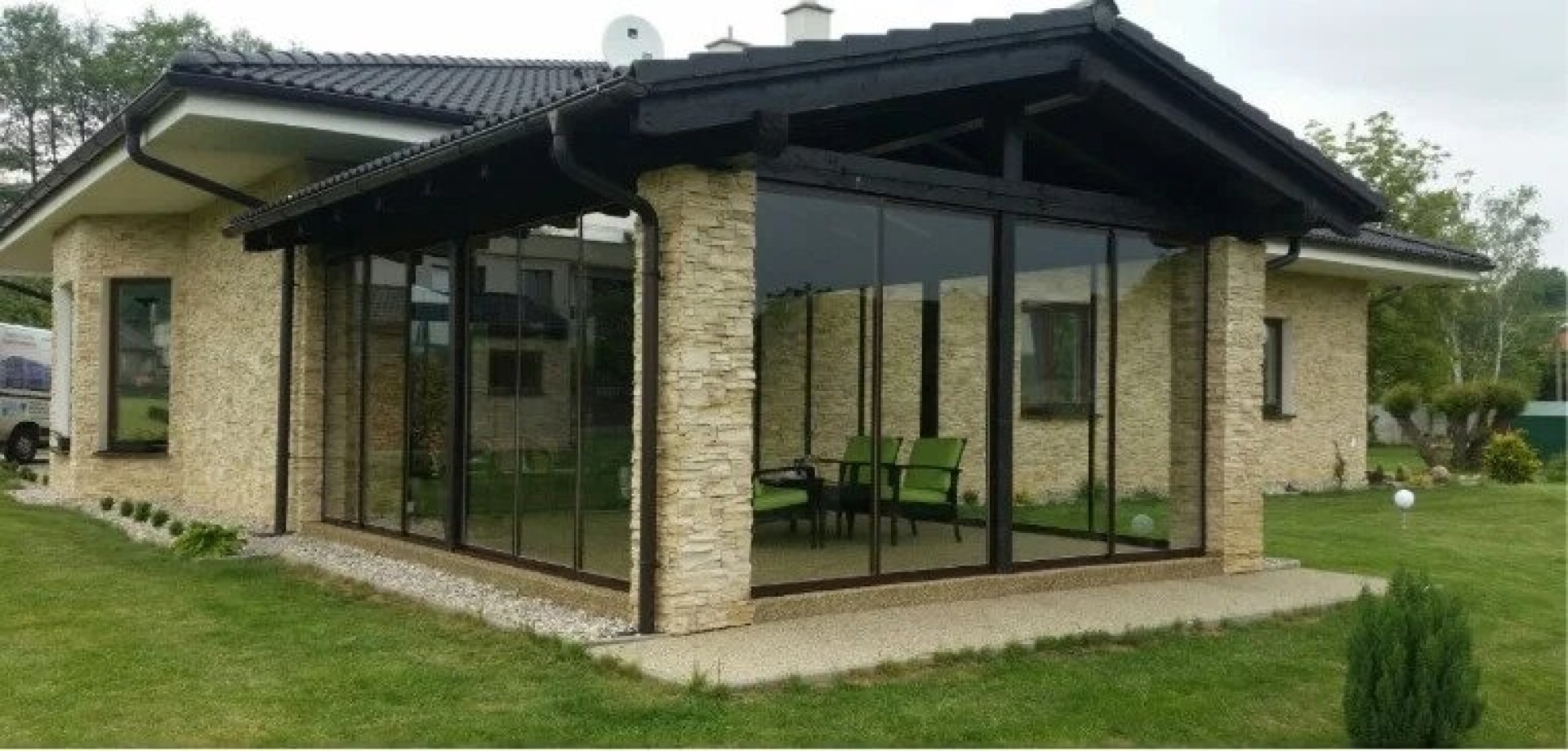
Conservatory glazing is a key element that affects its appearance, energy efficiency, and everyday comfort. For year-round conservatories, it is important to choose high-quality insulating glass. The minimum requirement is double glazing with a low-emissivity coating, but triple glazing is ideal as it insulates heat better, dampens noise from outside, and increases safety. The glass can be supplemented with special coatings that reflect sunlight and reduce overheating. This will make you feel more comfortable in the summer.
Glass with a self-cleaning finish is also available, which minimizes dirt buildup and reduces maintenance requirements. However, roof glazing must be designed with snow load, strong winds, and water drainage in mind. The most commonly used is safety laminated glass with a modified slope, which ensures precipitation drainage and reduces the risk of overheating. In addition, it is advisable to integrate roof vents to ensure air circulation on hot days.
Heating and ventilation of conservatories
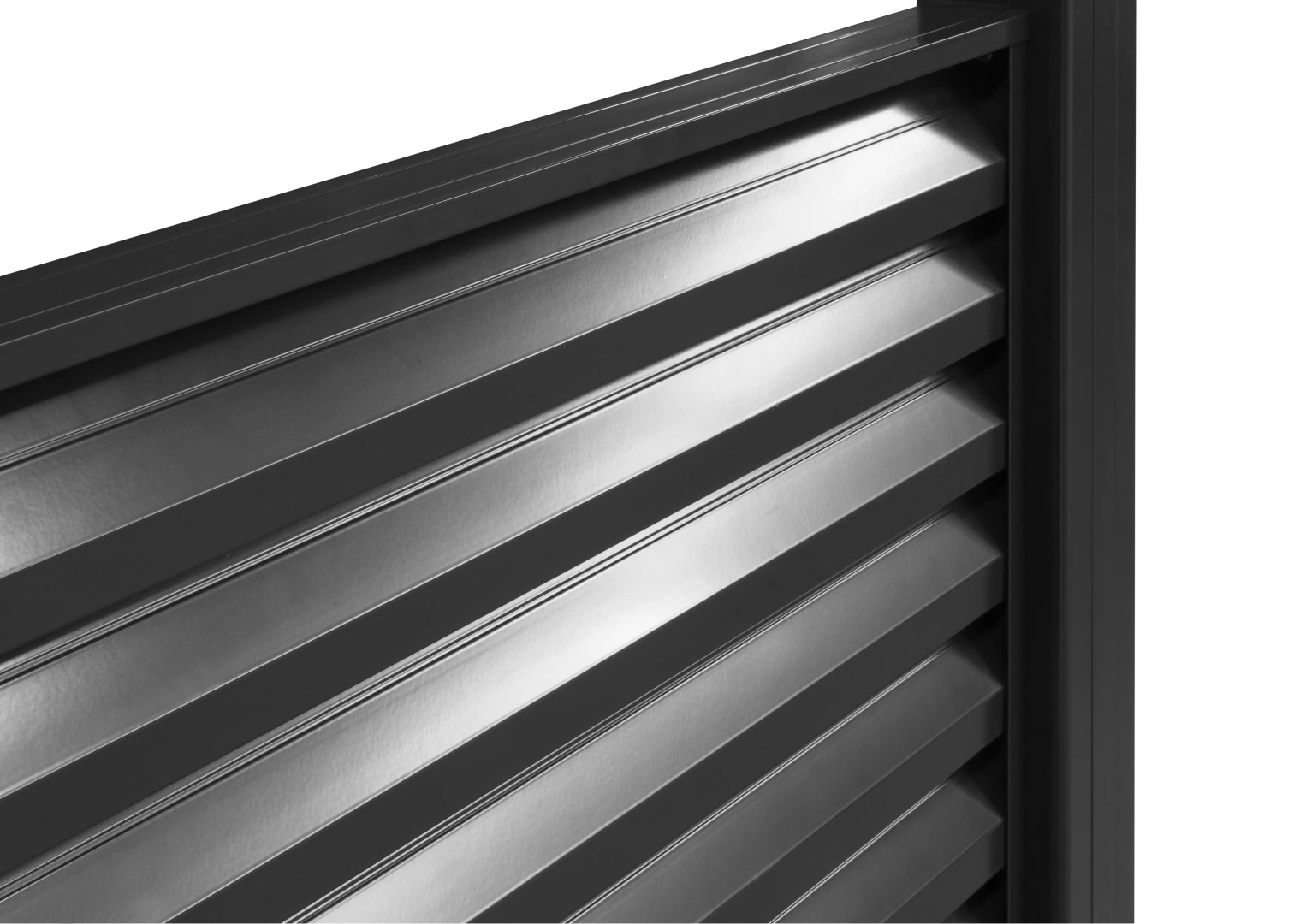
Underfloor heating is the ideal heating solution for conservatories, as it ensures even thermal comfort. In addition, it is important to ensure air exchange, either through natural ventilation or a controlled system with heat recovery, which minimizes heat loss. Shading in the form of internal blinds or roller blinds helps regulate heat gains in summer while increasing the feeling of privacy. A well-designed condensate drain will prevent moisture from condensing on the glass and keep the space dry.
Aesthetics and a feeling of home: how to furnish naturally and cosily

Materials and colors
The use of natural materials such as wood, rattan, bamboo, stone, or jute will give your winter garden a warm character and visual softness. The more natural elements you use, the less sterile the space will feel. Patinated metal accessories are also suitable, as they add a sense of honest craftsmanship. The color palette should remain muted, or warm earth tones help to create a harmonious atmosphere. Textures are just as important as colors. Combine smooth glass surfaces with soft fabrics, wood with distinctive grain, and stone with a fine texture.
Plants also play a key role. Not only as decoration, but as a living element that reacts to light, humidity, and the seasons. Don't forget to vary the heights, from climbing plants to more imposing green features. You will particularly appreciate the simplicity of the materials used in modular conservatories, which allow for clean, minimalist designs and easy maintenance. Their modular construction blends naturally with the functional and aesthetic elements of the interior.

Zones and zoning
A winter garden can serve several purposes at once, such as relaxation, work, dining, or growing plants. Therefore, it is worth considering how to zone the space so that it appears compact but is also practical. You can create a reading area with a comfortable armchair and a floor lamp, a social corner with a small table and chairs, or a place to grow herbs and flowers by the window. Different heights of furniture, carpets, changes in lighting, or even transparent dividing elements that separate functions without reducing the space can also help. These options also open up space for custom-made winter gardens that respond precisely to your ideas and layout.
Lighting and accessories
Lighting has the ability to completely change the atmosphere. In winter, it extends the evening, and in summer, it gently shortens it. Combine sources such as ceiling lights, pendant lamps, floor lamps, and table lamps with soft diffused light. Warm white light (2700 to 3000 Kelvin) is ideal, as it softens the hard surfaces of glass and metal.
Don't forget ambient lighting, such as LED strips hidden behind shelves, glowing plants, decorative lanterns, or even simple chains with light bulbs. These details add depth and evening character to the space. Accessories such as pillows, curtains, throws, and rugs add softness and coziness. You can also choose seasonal decorations, such as spring-themed textiles, autumn dried grasses, or Christmas light chains. Each season can have its own mood in the garden.
An important aspect is the choice of plants. They should support the impression of connection with nature. Combine species with different heights, leaf structures, and growth rates. The ideal is to create a feeling of green dynamics.
Approximate costs and price of a year-round conservatory
Higher-quality aluminum conservatories with insulated glass can cost between €800 and €1,100 per square meter. The final price always depends on the size, choice of materials, type of glass, and technical details. The range of additional features such as shading, heating, lighting, or automatic ventilation is also important. Even the most demanding customers who insist on luxury options will find something to suit them in our range. Try our conservatory configurator and find out the price of your new conservatory without waiting. You can set all the technical and design parameters there, giving you an immediate overview of the approximate price.

Implementation procedure and tips
First, it is necessary to assess the location where the winter garden will be built. Orientation, light, shading, and the relationship to the surroundings will affect its functionality. This is followed by surveying, preparing the foundation, and assembling the structure with glazing. Only then are technologies such as heating, ventilation, and shading installed. Finally, the interior is furnished and decorated. The entire process is completed by regular maintenance and care of the technology and plants.
A high-quality winter garden is not just a trend, but a permanent space with its own rhythm. It changes with the seasons but remains functional throughout the year. In the morning, you will find peace and quiet, reminding you why you built it in the first place. On our website, you will find inspiration from our winter garden projects and solutions for various types of winter gardens that you can customize to your liking. If you have any questions, please do not hesitate to contact us, we will be happy to help and advise you.